
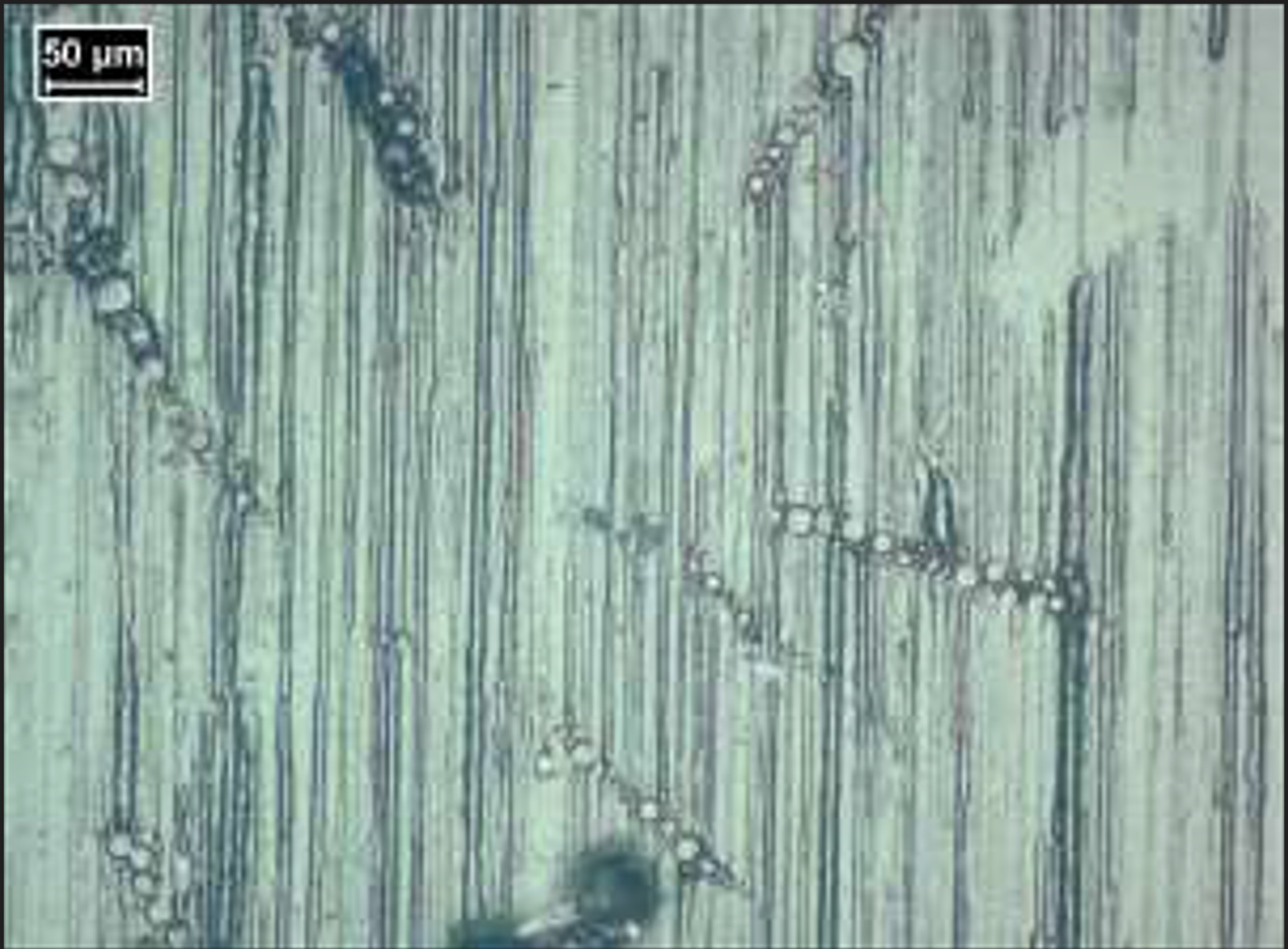
A majority of vessels bunker a type of fuel called residual fuel, such as HFO or VLSHFO, which is the residue left over from the cracking of crude oil into the various products we know and use daily. As the fuel is residual, it contains many contaminants and solids that are delivered to the vessel. These contaminants and solids can be harmful to the engines onboard and require careful handling by the crew onboard to ensure that the engines using the fuel are not damaged by their use.
During bunkering, a 5 litre sample of the fuel should be taken. On completion of bunkering, this sample is then split into three separate 1 litre samples. One is for the supplier, one for the vessel, and one as an IMO sample, which must be retained onboard for at least a year in case of future compliance issues.
The vessel sample will then, where possible, be sent to a laboratory for testing and analysis to ensure the bunkers comply with ISO standards and it is suitable for use in the engines and boilers. To ensure that the results of the testing are representative of the full stem of bunkers, the sample needs to be taken from the centre of the oil flow during bunkering and taken as a drip sample throughout the bunker process.
To ensure the fuel is supplied to an acceptable standard, the international standard ISO 8217 is used. This ISO standard has been revised several times, with the most recent update in 2024. I have, however, often seen that charterers request that owners accept an earlier version of the standard for testing the fuel supplied by the charterers, as this will have less stringent limits for each item tested. An example of this is the test for catalytic fines, which had a maximum limit of 80 ppm in the 2005 version, where this was reduced to 60 ppm in 2010.
Catalytic fines (catfines) are a type of microscopic particle left in residual oils after refining. Catalytic cracking uses synthetic crystalline zeolites – porous mineral compounds of aluminium and silicon – to break up the stubborn oil molecules to extract as much product as possible from the crude oil. Catfines are abrasive and extremely hard, leading to excessive wear on piston rings, liners, fuel pumps, and fuel injectors, and are generally too small to be filtered out of the oil.
The scale of the catfines problem should not be underestimated. MAN Energy Solutions' PrimeServ team reported that catfines were implicated in 84% of cylinder liner damage cases they investigated over a three-year period, with individual repair claims typically ranging from USD300,000 to USD 1.5 million. The issue has intensified since the IMO 2020sulphur cap, as the additional cracking and desulphurisation required to produce compliant VLSFOs tends to increase catfine levels. In September 2025,VPS issued a circular titled ‘A Global Pandemic of High Catfines in Marine Fuel’, reporting levels of 62 to 176 ppm across major bunkering hubs including Singapore, Rotterdam, and the US East Coast, well above the ISO 8217 limit of60 ppm. This is not a diminishing problem with the structural dynamics of modern fuel production mean it is likely to persist or worsen.
Engine makers tend to recommend that the levels of catfines be kept below 15 ppm to prevent damage. It is therefore essential that the engineers on the vessel and their onshore management take note of the fuel analysis results to prepare and purify the fuel to ensure these particles are removed as far as practicably possible, and the fuel entering the engine remains within the makers recommendations.
Purification involves passing the fuel through a centrifugal separation process, which removes the water and solid contaminants, including catfines. Purifier makers claim up to 93% efficiency in reducing the catfines, and around 50% efficiency for other solid contaminants if the operation of the purifiers is optimised.
This means that 7% or more of the initial catfines can conceivably pass through purification into the service tank and subsequently the engines. Further filtration takes place after the service tank, and before the fuel enters the engine to further reduce any particulates entering the engine, however the catfines are generally too small to be caught by the final filters.
To ensure optimal separation of water and solid contaminants, purifier maintenance is required. If not properly maintained, the purifiers will allow more contaminants into the service tank and, subsequently, into the engine. In addition to maintenance, the operation of purifiers can significantly affect their performance. To reduce the risk of issues here, the purifiers should be set up with the lowest possible flow rate, and the temperature of the fuel oil being separated should be monitored and controlled as required.
Even with the purifiers properly maintained and operated, there are additional issues the onboard engineers should be aware of. One of these issues is where the catfines have been purified to a level that would not normally affect the engines, but the vessel is sailing in calm seas for a significant time. As the catfines are heavier than the fuel, some will settle inside the service tank after purification, and before being used in the engines. If the vessel then hits heavy weather, it is possible that the catfines, which have settled during calm times, are stirred up and make their way into the engine, but this time in vastly greater amounts. This often leads to very swift ‘scuffing’ of the liners and piston rings, where the only option for repair is to replace all damaged parts. This will incur large costs and will often result in the owners making an insurance claim.
Most vessels will have some form of drain valve to drain water from the service tank, and many have a system where some oil can be recirculated from the service tank bottom to the settling tank. Both of these should be utilised to remove chances of damage to the pistons and liners occurring.
If you are dealing with engine damage that may be linked to fuel quality, Solis Marine's marine engineers can provide independent expert analysis to identify the cause and extent of damage. Whether you need support with a claim, a dispute, or simply a second opinion, our marine engineers are here to help.
Fore more information please contact Andy McManus.