
For those seafarers of a certain age, spending days or weeks on bridge watch routines during an ocean crossing included staring at the horizon and the skies for hours on end. However, in those pre-GPS days, that was interspersed with the practice of celestial navigation which was always being undertaken, or prepared for, when shooting the sun, moon, planets and stars with our own, or the shipping company’s sextant, whenever the sky and horizon were clear enough to do so.
Leafing through the nautical almanac also passed some time, when not extracting the figures for calculations, and the pages showing the paths of eclipses during the year ahead were always of interest. The possibility that the ship might be on passage and pass through the zones of totality, or at least partial cover, was something hoped for. After witnessing many lunar and several partial eclipses, seeing a total eclipse eluded me until this year.
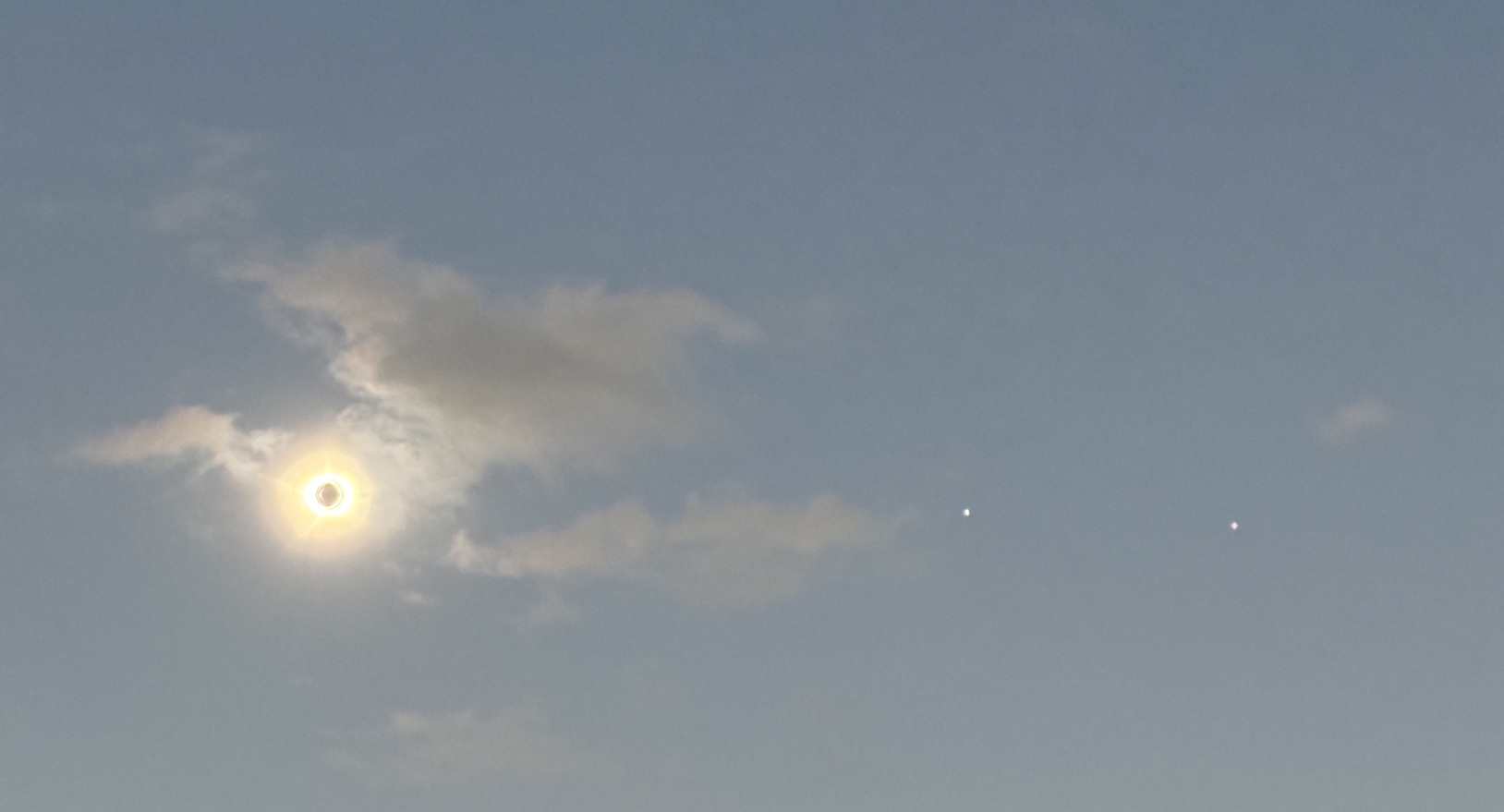
The total eclipse of August 2026 was not the longest period of totality, at just over two minutes, but was as spectacular as any. The choice of land-based viewing places included East Greenland, Iceland and Spain. I finally managed to witness totality whilst in Scoresby Sound, East Greenland, on a cloudless afternoon with a mirror calm sea. As darkness fell, the birds settled on the sea, and a line of three planets shone brightly close by the moon.
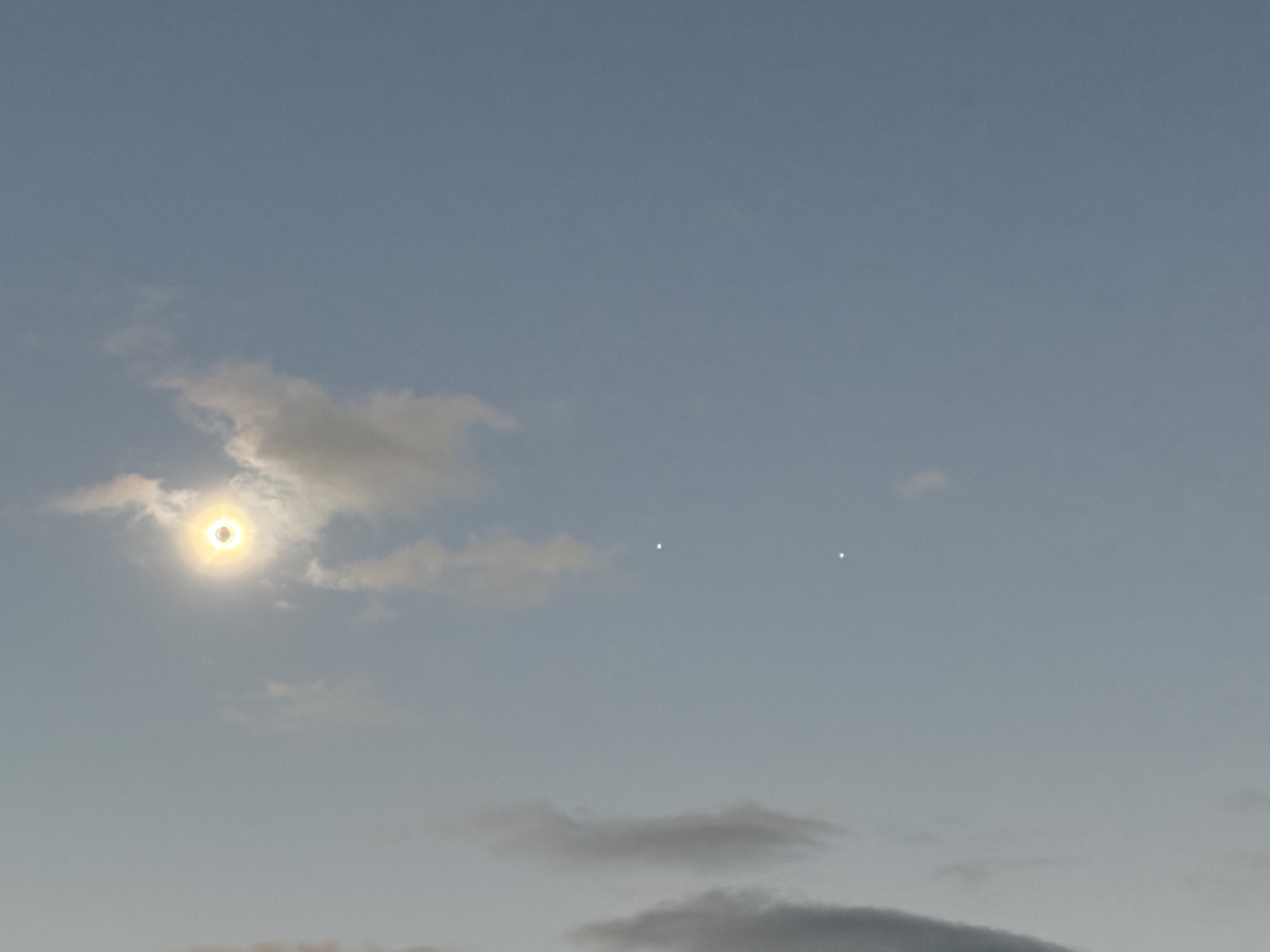
Others have described the event far better than I can, but it is such an incredible experience that, once seen, it can never be forgotten.
The solar eclipse is, of course, also the emblem at the centre of the Solis Marine logo.
You can find out more about Captain John Simpson from his profile on our website.